
- Share
- Tweet
British International Investment (BII), the United Kingdom’s development finance institution and impact investor, invested £1.07 billion in African businesses in 2025, reinforcing the continent’s position as its largest investment destination
The investment accounted for 59 per cent of BII’s total commitments during the year, reflecting the institution’s continued focus on supporting business growth, job creation and sustainable economic development across Africa
According to figures contained in BII’s 2025 Annual Review, the institution committed a total of £1.8 billion during the year. Of this amount, £1.07 billion was invested in African businesses, while £712 million went to companies in Asia. An additional £40 million was committed to investments in Ukraine
BII also reported a portfolio-level annual return of 3.8 per cent based on a seven-year weighted average and said its investments now support nearly 1,700 companies globally
Managing Director and Head of Africa at BII, Chris Chijiutomi, said the organisation’s latest investments demonstrate its long-standing commitment to Africa’s economic transformation
“BII has been supporting African businesses for nearly eight decades. Our 2025 commitment further underlines our unwavering support to the continent as we continue to focus on supporting the growth of businesses and helping to create quality jobs across the continent,” he said
Climate finance remained a major area of investment, with BII announcing that its climate-related commitments exceeded $1 billion in a single year for the first time. Over the past four years, the institution has invested a total of $3.3 billion in climate finance projects
Among the notable climate investments in 2025 was the Allianz ACE Fund, a blended finance initiative anchored by BII. The fund secured $150 million in commitments from development finance institutions and is expected to mobilise an additional $850 million from private investors
Other major investments included the Gulf of Suez Wind Farm and the Obelisk solar and battery storage project in Egypt, as well as ARC Ride, an electric motorcycle manufacturing and battery-swapping company based in Nairobi, Kenya
The institution said its climate investments span a broad range of projects, including large-scale renewable energy developments and innovative clean mobility businesses that are helping countries transition to lower-carbon economies
Egypt, Kenya, South Africa and Nigeria remain BII’s four largest African markets based on the size of its investment portfolio
As part of its newly launched investment strategy, BII also announced that at least 25 per cent of all new investments will be directed towards frontier markets, particularly countries classified by the United Nations as the world’s least developed economies
Earlier this year, the institution expanded its climate investment ambitions through the launch of British Climate Partners, a £1.1 billion initiative aimed at attracting institutional capital into climate solutions across rapidly growing and coal-dependent economies in Asia
Commenting on the global investment landscape, BII Chair Diana Layfield said development finance institutions must play an even greater role as countries face increasing economic uncertainty, widening inequality and the growing impacts of climate change
“As we conclude our current strategy period and look ahead to the next, it is clear the world in which we operate has become more complex and more demanding of long-term investment
“Financing for development is changing. At the same time, the gap between countries, particularly the most climate- and conflict-vulnerable, is widening. And the urgency of tackling climate change is greater than ever. This context underscores the need for more effective partnerships, greater mobilisation of private capital and investment that delivers sustainable economic growth,” she said
For African startups, MSMEs and growing businesses, BII’s increased investment signals stronger access to long-term financing, particularly in sectors such as renewable energy, manufacturing, technology, infrastructure and climate innovation. The renewed focus on frontier markets could also open new opportunities for businesses operating in underserved economies, while encouraging greater private sector participation in projects that drive sustainable growth and employment across the continent.
Up Next
WhatsApp Dumps Use of Phone Number, Introduces Username
Don’t Miss
Bauchi Govt, UNICEF Commit N1bn To Tackle Malnutrition, Distribute Therapeutic Food
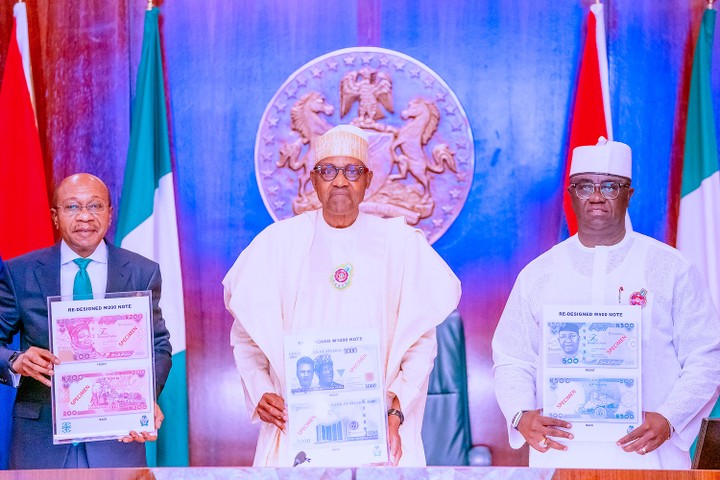
Business4 years agoBREAKING: CBN announces New Withdrawal Policies, Pegs ATM Withdrawals Limit at N20,000 daily, N100,000 weekly
Business6 years agoFirst Bank Nigeria Joins SME Finance Forum

Business6 years agoFG Opens Application Portal for N75 Billion MSME Survival Fund 10pm Today, Releases Time-table for Payroll Support Scheme for different sectors

Business3 years agoCall for Applications: MTN ICT and Business Skills Training (N90 Million Grant for 300 Participants)
- Business4 years ago
Call for Applications: Rural Youth Skill Acquisition Programme for Nigerian Youths (receive N50,000 monthly stipend)

Business6 years agoHow to apply and benefit from free CAC Business Name Registration for 250,000 MSMEs

Articles & Resources6 years agoHow to put your house in order for tax purposes
Business3 years agoCall for Applications: Tony Elumelu Foundation Entrepreneurship Programme 2023 for African Entrepreneurs (get $5,000 seed funding)